


OTC Options to Calm Dog Anxiety Safely
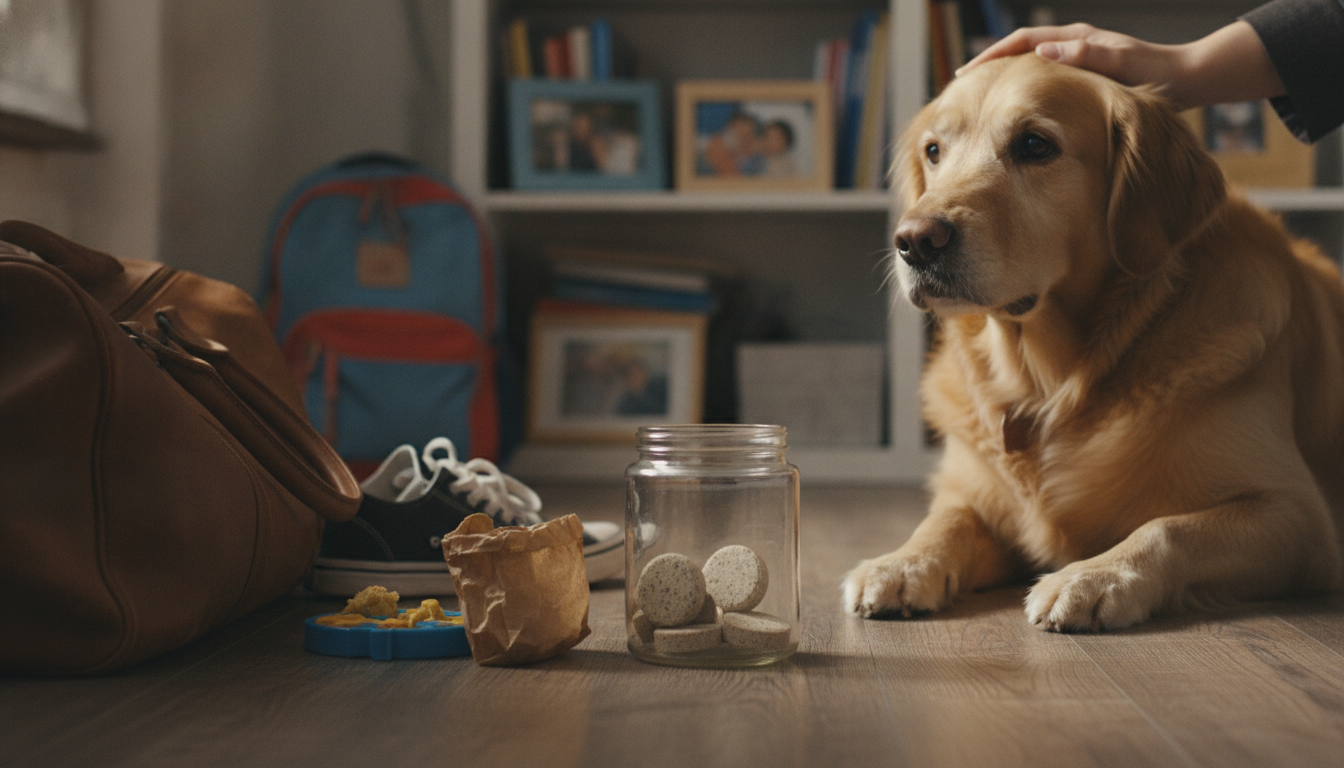
What can you give a dog for anxiety over the counter?
If your dog gets nervous during thunderstorms, car rides, vet visits, or when left alone, a few over-the-counter options may help take the edge off. The safest approach is to start with low-risk calming products made specifically for dogs and to check with your veterinarian before giving any supplement or human medication—especially if your dog is very small, senior, pregnant, or on other meds.
OTC calming aids made for dogs
Many pet parents begin with calming chews, treats, or powders that include ingredients like L-theanine, L-tryptophan, chamomile, valerian, or colostrum-based blends. These can be useful for mild, situational stress and are typically easier to dose than human products. Look for clear labeling, dog-specific dosing, and reputable quality standards.
Pheromones and calming wraps (drug-free)
Dog-appeasing pheromone diffusers, sprays, and collars can reduce anxiety for some dogs without sedation. Calming wraps (pressure vests) may also help during short events like fireworks. These options are often a good first step because they don’t involve ingestion and can be combined with training.
Melatonin: sometimes used, but ask first
Melatonin is sometimes used short-term for noise anxiety or sleep disruption, but dosing matters and some products contain ingredients that are unsafe for dogs. Always confirm the correct dose with your vet and avoid any product containing xylitol.
Be cautious with human OTC medications and “natural” oils
Do not give human anti-anxiety medications without veterinary direction. Even common OTC drugs can be dangerous at the wrong dose or with certain health conditions. Also avoid essential oils unless your veterinarian approves; some are toxic to pets and can worsen respiratory irritation.
For a deeper breakdown of options, safety tips, and what to try first, visit this complete guide on over-the-counter anxiety help for dogs.
FAQ
How can I calm my dog down naturally at home?
Create a quiet “safe zone,” use predictable routines, add gentle enrichment (like lick mats or sniff games), and pair calming aids (pheromones or a wrap) with positive reinforcement training for the trigger.
















Leave a comment